Your home’s electrical system works quietly in the background every day, powering lights, appliances, heating and cooling equipment, electronics, and many other essential devices. Because electrical components are used so frequently, regular maintenance is important for keeping the system safe, efficient, and reliable. Small electrical issues can become more serious when they are ignored, while routine inspections and preventive care can help identify potential problems before they lead to costly repairs.
Professional electricians understand that electrical maintenance is not only about fixing problems after they happen. It is also about identifying warning signs, checking important components, and making sure the electrical system continues to operate as it should. Homeowners can take several practical steps to maintain their electrical systems while relying on a qualified electrician for inspections, repairs, and work that requires professional knowledge.
Schedule Routine Electrical Inspections
One of the most effective ways to maintain a home’s electrical system is to have it inspected periodically by a qualified electrician. An electrical inspection can identify problems that may not be obvious during normal daily use.
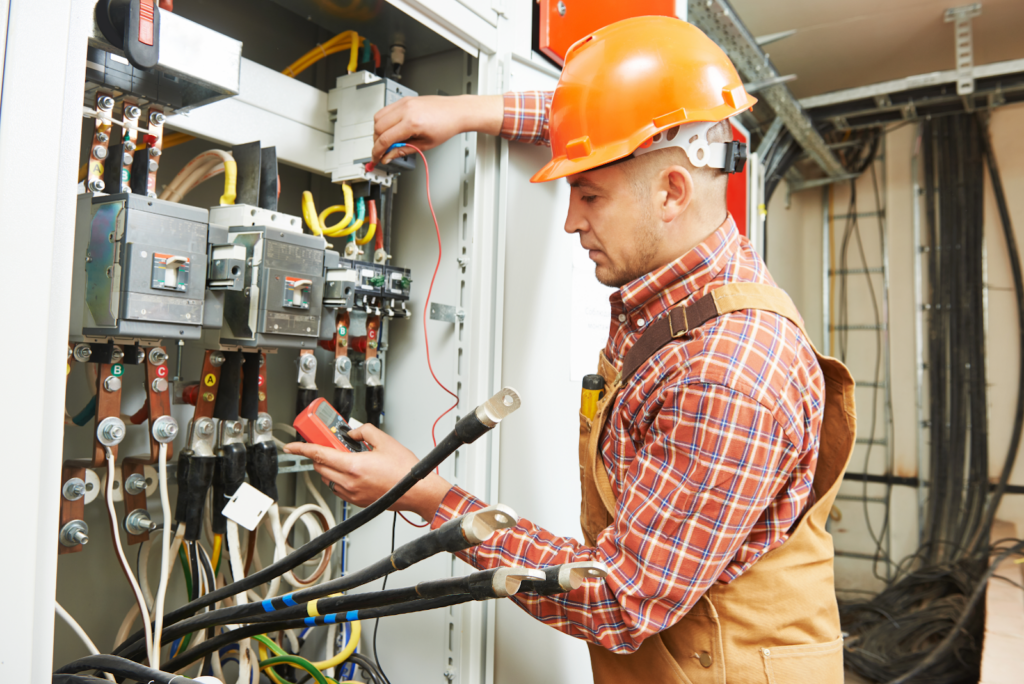
During an inspection, an electrician can evaluate wiring, outlets, switches, the electrical panel, breakers, grounding, and other important components. They can also look for signs of deterioration, overheating, loose connections, improper installations, or other conditions that could affect electrical safety.
The appropriate inspection schedule can depend on the age and condition of the home, previous electrical work, and whether the property has experienced recurring electrical problems. Homeowners with older properties may benefit from having their electrical systems evaluated more closely to determine whether upgrades or repairs are needed.
Pay Attention to Warning Signs
Homeowners should not ignore unusual electrical behavior. Changes in the way your electrical system operates can sometimes provide an early warning that something needs attention.
Flickering or dimming lights, buzzing sounds, warm outlets, burning odors, sparks, frequently tripping breakers, and unexplained power interruptions should all be taken seriously. These symptoms can have different causes, and determining the underlying issue may require professional diagnosis.
Instead of repeatedly resetting a breaker or continuing to use a problematic outlet, consider having the issue inspected by an electrician. Addressing a problem early can help prevent a minor electrical fault from developing into a larger repair or safety concern.
Test GFCI Outlets Regularly
Ground-fault circuit interrupter, or GFCI, protection is particularly important in areas where electricity may come into contact with moisture. These outlets are commonly found in areas such as kitchens, bathrooms, garages, laundry areas, and outdoor locations.
GFCI devices are designed to interrupt electrical power when they detect a ground fault. Homeowners should become familiar with the test and reset functions of their GFCI outlets and follow the manufacturer’s instructions for testing them.
If a GFCI outlet does not operate properly, will not reset, or repeatedly trips without an obvious reason, it should be evaluated by a qualified electrician. A malfunctioning protective device should not simply be ignored.
Keep Outlets and Switches in Good Condition
Outlets and switches are used constantly, which means they can experience wear over time. Homeowners should periodically check visible outlets and switches for signs of damage or unusual behavior.
Cracked covers, loose outlets, discoloration, buzzing, heat, or signs of burning should not be considered normal. A plug that repeatedly falls out of an outlet can also indicate that the receptacle needs attention.
Avoid forcing plugs into damaged outlets or continuing to use components that show obvious signs of deterioration. Replacing a damaged outlet or switch may be a relatively straightforward repair for a professional electrician, but ignoring the problem can create unnecessary electrical risks.
Do Not Overload Electrical Outlets
Modern homes often have more electronic devices than ever before. Computers, televisions, chargers, kitchen appliances, entertainment systems, and other equipment can place significant demand on electrical circuits.
Using too many devices on a single outlet or power strip can create excessive electrical demand. Homeowners should avoid using extension cords and power strips as permanent substitutes for properly installed electrical outlets.
If you regularly need multiple extension cords or power strips in the same area, it may be worth discussing the situation with an electrician. The home may need additional outlets or changes to the electrical system to better accommodate modern electrical needs.
Check the Electrical Panel for Warning Signs
The electrical panel is one of the most important components of a home’s electrical system. It distributes electricity to individual circuits throughout the property and contains breakers designed to provide protection when circuits experience excessive current.
Homeowners should keep the area around the electrical panel clear and accessible. Do not store boxes, furniture, or other items directly in front of the panel.
If you notice unusual sounds, burning smells, visible damage, corrosion, excessive heat, or repeated breaker trips, contact a professional electrician. These conditions can indicate a problem that requires proper diagnosis.
Homeowners should not attempt to open or modify the electrical panel themselves. Panel work can involve serious electrical hazards and should be handled by a qualified professional.
Understand What Breaker Trips Mean
A circuit breaker that trips occasionally may be responding to an overload or another electrical condition. However, a breaker that trips repeatedly should not simply be reset over and over again.
Frequent breaker trips can indicate that a circuit is being overloaded, an appliance may have a problem, or there could be an issue with wiring or another electrical component. Continuing to reset the breaker without determining why it is tripping can allow the underlying problem to remain unresolved.
A professional electrician can evaluate the circuit and determine the appropriate solution. Depending on the cause, the solution could involve repairing a fault, addressing an overloaded circuit, replacing a defective component, or making another electrical improvement.
Keep Electrical Components Away From Moisture
Water and electricity are a dangerous combination. Homeowners should take extra care around bathrooms, kitchens, laundry areas, outdoor outlets, pools, and other locations where electrical components may be exposed to moisture.
Outdoor electrical equipment should be suitable for outdoor use and protected appropriately. Damaged covers or improperly protected outlets should be repaired rather than left exposed to rain or moisture.
If you notice electrical equipment that has been exposed to water, especially after flooding or significant water damage, avoid using it until it has been evaluated appropriately. Water can damage electrical components even when the damage is not immediately visible.
Maintain Appliances and Electrical Equipment
Electrical maintenance also involves paying attention to the appliances connected to your home’s electrical system. Appliances with damaged cords, unusual noises, burning odors, or other abnormal behavior should be taken seriously.
Do not continue using an appliance that appears damaged or is causing electrical problems. A defective appliance can affect the circuit it is connected to and may create additional safety concerns.
Keep appliance cords away from heat sources and areas where they can become pinched, damaged, or exposed to water. Replacing damaged cords or having equipment professionally inspected can help reduce unnecessary electrical risks.
Be Careful With Extension Cords
Extension cords can be useful for temporary situations, but they are not intended to replace permanent electrical wiring. Using extension cords continuously can create unnecessary risks, particularly when they are overloaded, damaged, placed under rugs, or used in unsuitable environments.
If an area of your home consistently requires an extension cord because there is no convenient outlet, talk to an electrician about a permanent solution. Installing an appropriately located outlet may be safer and more practical than relying on extension cords for everyday use.
Keep Electrical Areas Clean and Accessible
Dust, clutter, and improperly stored materials can make electrical maintenance more difficult. Keep the area around your electrical panel, major electrical equipment, and accessible outlets reasonably clean and unobstructed.
This does not mean homeowners should attempt to clean or modify internal electrical components. Instead, focus on keeping access areas clear so electrical equipment can be inspected and serviced when necessary.
Good housekeeping also makes it easier to notice visible warning signs such as discoloration, damaged covers, or unusual conditions around electrical components.
Consider Your Home’s Age
The age of a property can play an important role in electrical maintenance. Older homes may have outdated wiring, insufficient electrical capacity, aging panels, or components that no longer meet the needs of a modern household.
If you live in an older home, especially one that has undergone several renovations or additions, consider having the electrical system evaluated by a professional. Adding appliances and new electrical equipment over the years can increase demand on a system that was not originally designed for today’s electrical requirements.
An electrician can help determine whether your existing system is suitable for your current needs and whether improvements should be considered.
Avoid DIY Electrical Repairs
Some homeowners attempt to handle electrical repairs themselves in an effort to save time or money. While basic maintenance such as keeping electrical areas accessible or testing GFCI protection according to instructions can be appropriate, electrical repairs and modifications should generally be left to qualified professionals.
Electrical systems can remain dangerous even when the power appears to be switched off. Incorrect wiring, poor connections, improper grounding, and other mistakes can create hidden hazards.
Hiring a professional electrician for repairs, installations, panel work, wiring changes, and other significant electrical tasks can help ensure that the work is performed safely and correctly.
Preventive Maintenance Can Reduce Future Costs
Regular electrical maintenance is not simply about safety. It can also help homeowners avoid unnecessary expenses. Identifying a loose connection, deteriorating component, overloaded circuit, or other developing issue early may prevent a much larger repair later.
Preventive maintenance also gives homeowners a better understanding of their property’s electrical condition. Instead of waiting for a major failure, you can address concerns before they become disruptive.
Professional electrical inspections can be particularly valuable when purchasing an older home, completing a major renovation, adding high-demand appliances, or experiencing recurring electrical problems.
Why Professional Electrical Maintenance Matters
A safe and reliable electrical system requires more than occasional repairs. Regular attention, responsible use, and professional inspections can help keep electrical components functioning properly and reduce the likelihood of unexpected problems.
Homeowners should pay attention to warning signs, avoid overloading circuits, maintain accessible electrical areas, and arrange professional inspections when appropriate. Most importantly, electrical repairs and complex maintenance should be handled by a qualified electrician rather than attempted as a DIY project.
Trust MK Electric Man for Professional Electrical Services
Keeping your home’s electrical system in good condition is an important part of protecting your property and the people inside it. From routine electrical concerns to repairs, installations, upgrades, and other electrical needs, professional assistance can help ensure that problems are properly identified and addressed.
MK Electric Man helps homeowners with professional electrical services designed to keep residential electrical systems safe and dependable. Whether you are dealing with a recurring electrical problem or simply want to understand the condition of your home’s electrical system, speaking with a qualified electrician can be an important step toward preventing future issues.
Regular maintenance does not have to be complicated. By paying attention to warning signs, taking care of your electrical equipment, and scheduling professional inspections when needed, you can help maintain a safer, more reliable electrical system for years to come.