
Electrical systems are essential to the daily operation of almost every commercial building. Lighting, computers, HVAC equipment, security systems, machinery, communication equipment, appliances, and other business-critical systems all depend on reliable electricity. When an electrical problem occurs, the consequences can go far beyond a simple repair. A sudden power failure can interrupt operations, affect employees and customers, damage equipment, and potentially create serious safety concerns.
This is why preventive electrical maintenance is so important for commercial properties. Instead of waiting for electrical equipment to fail, businesses can take a proactive approach by having their electrical systems inspected and maintained regularly. Routine maintenance can help identify developing problems, improve system reliability, reduce unexpected downtime, and support a safer working environment.
What Is Preventive Electrical Maintenance?
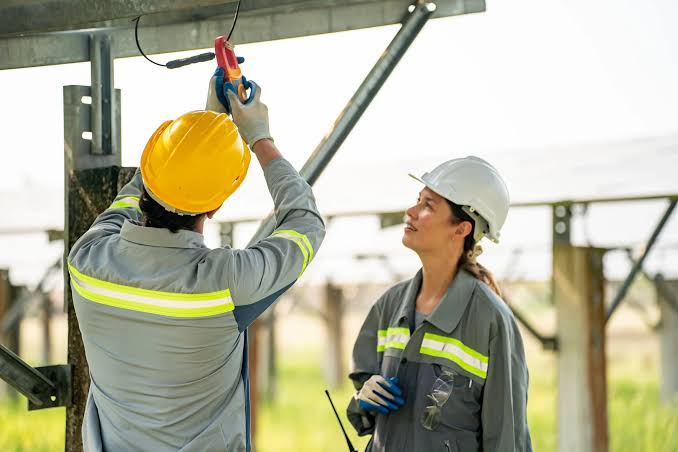
Preventive electrical maintenance involves regularly inspecting, testing, evaluating, and maintaining electrical components before they develop into major problems. Rather than responding only when something stops working, businesses work with qualified electricians to identify potential issues while they are still manageable.
Commercial electrical maintenance can involve areas such as electrical panels, circuit breakers, wiring, outlets, lighting systems, connections, safety devices, and other electrical equipment. The exact maintenance requirements depend on the building, its electrical infrastructure, the equipment being used, and the nature of the business.
A professional electrician can help determine an appropriate maintenance approach based on the property’s needs and identify areas that may require closer attention.
Reduce Unexpected Electrical Downtime
One of the biggest benefits of preventive electrical maintenance is reducing unexpected downtime. A commercial electrical failure can bring important business operations to a halt.
For some businesses, even a short interruption can cause significant disruption. Employees may be unable to access computers or equipment, customers may be affected, production may stop, and important systems may become unavailable.
Regular inspections can help identify signs of electrical deterioration before they result in complete failure. Addressing a developing problem during scheduled maintenance is often more convenient than waiting for the same issue to cause an emergency during business hours.
Preventive maintenance does not guarantee that an electrical failure will never occur, but it can help businesses reduce avoidable electrical disruptions and respond to developing problems earlier.
Improve Workplace Electrical Safety
Electrical safety should always be a priority in commercial buildings. Employees, customers, contractors, and visitors may interact with electrical equipment throughout the property every day.
Damaged wiring, overloaded circuits, faulty electrical components, loose connections, and other electrical problems can create unnecessary hazards. Regular professional inspections can help identify these conditions and determine whether corrective work is needed.
A safer electrical environment can help businesses protect their employees and visitors while reducing the likelihood of electrical incidents. Professional maintenance also allows electrical concerns to be addressed before they become more serious.
Extend the Life of Electrical Equipment
Commercial buildings often rely on expensive electrical equipment and systems. Replacing equipment prematurely can create unnecessary costs, particularly when a problem could have been identified and addressed earlier.
Preventive maintenance can help identify conditions that place excessive stress on electrical equipment. For example, poor connections, overloaded circuits, deteriorating components, or other electrical problems may affect how equipment operates.
Maintaining the electrical system properly can help support the reliable operation of connected equipment and potentially extend its useful service life. This can be particularly valuable for businesses that rely heavily on electrical equipment for daily operations.
Prevent Small Problems From Becoming Major Repairs
Many significant electrical failures begin with smaller problems. A loose connection, damaged component, unusual breaker behavior, or deteriorating wiring may initially seem minor, but ignoring the issue can allow it to become more complicated.
Preventive maintenance provides an opportunity to identify these conditions early. An electrician can evaluate the problem and recommend appropriate action before the issue causes additional damage.
Addressing a manageable electrical repair during planned maintenance is often less disruptive than dealing with a major electrical failure at an inconvenient time.
Improve Electrical System Reliability
Businesses depend on consistent electrical performance. An electrical system that frequently experiences problems can make daily operations more difficult and unpredictable.
Regular maintenance helps businesses keep track of the condition of their electrical infrastructure. Instead of discovering problems only when equipment stops working, property owners and managers can have a clearer understanding of the system’s condition.
Reliable electrical service is particularly important for businesses that operate specialized equipment, depend on computer systems, or have continuous operational requirements.
Support Energy Efficiency
Electrical maintenance can also contribute to more efficient building operations. While maintenance alone cannot solve every energy-related problem, identifying inefficient or malfunctioning equipment can help businesses determine where improvements may be needed.
Lighting systems, electrical equipment, motors, HVAC systems, and other building components can consume significant amounts of electricity. Problems with electrical connections or aging equipment may also affect system performance.
During maintenance, a professional electrician may identify opportunities to improve the electrical infrastructure or replace inefficient components with more appropriate solutions.
Protect Business Equipment
Electrical problems can affect more than the wiring itself. Sensitive electronics and expensive commercial equipment can be vulnerable to electrical irregularities, power problems, and other issues.
Computers, networking equipment, security systems, specialized machinery, and other devices may be essential to business operations. A properly maintained electrical system can help reduce avoidable risks associated with faulty electrical components.
Businesses should also consider appropriate electrical protection for equipment that is particularly sensitive or expensive. An electrician can help evaluate the property’s needs and recommend suitable solutions.
Reduce Emergency Repair Costs
Emergency electrical repairs can be more disruptive and expensive than planned maintenance. When a critical electrical component fails unexpectedly, a business may have to respond immediately while also dealing with interrupted operations.
Preventive maintenance gives property owners an opportunity to identify problems before they become emergencies. Repairs can potentially be scheduled around business operations, allowing the company to plan for the work instead of responding to an unexpected failure.
This proactive approach can make electrical expenses more predictable and reduce the financial impact associated with certain unexpected electrical problems.
Maintain Electrical Panels and Breakers
Electrical panels and circuit breakers are critical parts of commercial electrical systems. They distribute power throughout the building and provide protection for individual circuits.
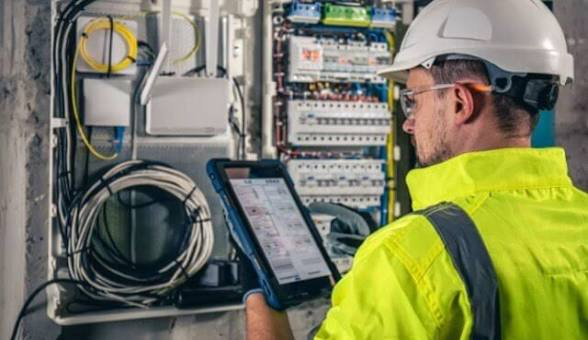
Commercial panels should be professionally evaluated for signs of damage, overheating, corrosion, unusual breaker behavior, and other conditions that could affect performance.
If breakers trip frequently or a panel produces unusual sounds or odors, the issue should not simply be ignored. Repeatedly resetting breakers without determining the cause can leave an underlying electrical problem unresolved.
Regular professional evaluation can help identify panel and circuit concerns before they result in larger operational problems.
Keep Lighting Systems Reliable
Commercial lighting is important for both productivity and safety. Poor lighting can affect employees, customers, and visitors, while widespread lighting failures can make parts of a building difficult to use.
Preventive maintenance can help identify failing fixtures, electrical problems, damaged components, or other issues affecting lighting performance. Businesses can then address problems before multiple fixtures fail at the same time.
Reliable lighting is especially important in workplaces, retail properties, offices, warehouses, parking areas, and other commercial environments where visibility is essential.
Plan Maintenance Around Business Operations
One advantage of preventive maintenance is the ability to plan electrical work instead of reacting to emergencies. Businesses can coordinate inspections and repairs during suitable periods to minimize disruption.
For example, certain maintenance work may be easier to schedule outside normal operating hours. Planning ahead allows property managers to communicate with employees and customers and make appropriate arrangements if part of the building needs to be temporarily affected.
A planned maintenance strategy can therefore help businesses protect both electrical reliability and operational continuity.
Create a Long-Term Electrical Maintenance Strategy
Commercial electrical maintenance should not be treated as a one-time task. A long-term maintenance strategy can help businesses monitor the condition of their electrical systems and address concerns as they develop.
The appropriate frequency of inspections depends on factors such as the age of the building, electrical demand, equipment, operating environment, and condition of the existing system. A qualified electrician can help determine what type of maintenance schedule makes sense for a particular property.
Keeping records of inspections, repairs, upgrades, and recurring issues can also help property owners make better decisions about future electrical work.
Why Professional Electrical Maintenance Matters
Commercial electrical systems are often more complex than residential systems, and the consequences of an electrical failure can be significant. Professional maintenance provides businesses with an opportunity to identify potential problems, improve safety, and maintain dependable electrical performance.
Electrical maintenance should be performed by qualified professionals who understand the requirements of commercial electrical systems. Attempting to repair wiring, panels, circuits, or other electrical components without appropriate training can create serious safety risks.
A professional electrician can evaluate the system properly and recommend repairs or improvements based on the property’s actual needs.
Protect Your Business With Preventive Electrical Maintenance
Preventive electrical maintenance is an investment in the long-term reliability and safety of a commercial property. Regular inspections can help reduce unexpected downtime, identify electrical problems early, protect important equipment, and support a safer workplace.
Waiting until an electrical system fails can put unnecessary pressure on a business. A proactive maintenance approach gives property owners and managers greater control over their electrical systems and allows potential issues to be addressed before they cause major disruption.
MK Electric Man provides professional electrical services for businesses and property owners who need dependable electrical repairs, maintenance, installations, and upgrades. Whether your commercial building needs routine electrical attention or you are concerned about a recurring electrical issue, professional evaluation can help you make informed decisions about the property’s electrical system.
Regular preventive maintenance can help businesses keep their electrical infrastructure reliable, efficient, and ready to support everyday operations. Instead of waiting for an unexpected electrical failure to interrupt your business, take a proactive approach and make professional electrical maintenance part of your property’s long-term maintenance plan.