
Modern homes depend on electricity for almost everything. Televisions, computers, refrigerators, smart home devices, HVAC equipment, kitchen appliances, security systems, gaming equipment, and other electronics all rely on a stable electrical supply. While most electrical systems operate normally, unexpected power surges can damage sensitive equipment in a matter of seconds.
Electrical surges can happen for several reasons, including thunderstorms, utility problems, equipment switching, and electrical events within the home. Even a surge that lasts only a fraction of a second can potentially damage electronic components. In some cases, the damage may be immediately noticeable. In other situations, a surge can weaken equipment and contribute to premature failure later.
Whole-home surge protection provides an additional layer of protection by helping manage excessive voltage before it reaches connected equipment. For homeowners with valuable electronics and appliances, professional surge protection can be an important investment in electrical safety and long-term equipment protection.
What Is an Electrical Surge?
An electrical surge is a temporary increase in voltage within an electrical system. Normal household electronics are designed to operate within a certain voltage range. When voltage rises significantly above normal levels, sensitive electrical components can be exposed to conditions they were not designed to handle.
A surge may be very brief, but that does not mean it is harmless. Modern electronics often contain sensitive circuit boards and microprocessors that can be affected by excessive voltage.
Power surges can originate outside the home or from electrical activity within the property. Understanding where these surges come from helps explain why relying only on basic electrical protection may not always be enough.
How Storms Can Cause Power Surges
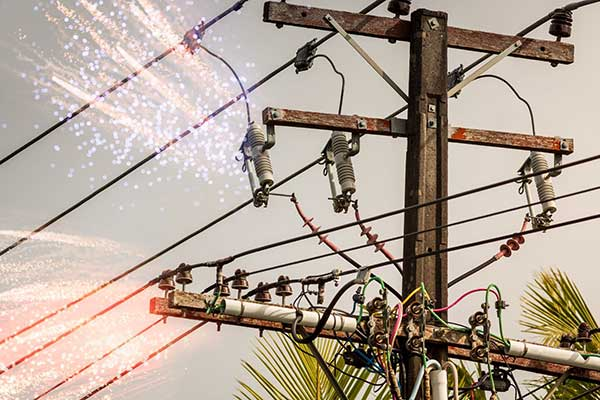
Severe weather is one of the most familiar causes of electrical surges. Lightning can create extremely powerful electrical events, and nearby lightning activity can affect electrical systems.
A direct lightning strike is an especially severe event, but homeowners should not assume that surge-related risks exist only when lightning directly strikes their property. Electrical disturbances associated with storms can travel through utility systems and potentially affect homes and connected equipment.
During storm season, protecting valuable electronics can therefore become an important consideration for homeowners.
Utility Fluctuations Can Also Create Surges
Power surges are not always caused by storms. Utility switching, equipment problems, power restoration, and other events within the electrical grid can result in temporary voltage fluctuations.
These events may occur without any obvious warning. A homeowner may simply notice that an electronic device has stopped working or begins behaving unusually after a power interruption.
Because utility-related electrical events are outside the homeowner’s direct control, whole-home surge protection can provide an additional layer of defense for the property’s electrical equipment.
Internal Electrical Events Can Cause Surges
Surges can also originate inside the home. Large electrical equipment can create transient voltage changes when it switches on or off.
HVAC equipment, motors, compressors, pumps, and other electrical loads can contribute to internal electrical disturbances. These events may not be as dramatic as a major storm-related surge, but repeated exposure to electrical fluctuations can still be a concern for sensitive electronics.
Whole-home surge protection can help provide broader protection against certain transient voltage events occurring both outside and inside the property.
How Whole-Home Surge Protection Works
A whole-home surge protective device is installed as part of the property’s electrical system, typically at or near the electrical panel. Its purpose is to help redirect or limit excessive voltage so that less of the surge reaches connected circuits and equipment.
The device works quickly when an excessive voltage event occurs. Instead of allowing the unwanted electrical energy to pass freely through the home’s electrical system, the protective device provides a path for managing the surge according to its design.
Because whole-home protection is connected to the electrical system, it can provide coverage across multiple circuits rather than protecting only one individual device.
Protect More Than One Electronic Device
One of the main advantages of whole-home surge protection is its broad coverage. Homes often contain dozens of electronic devices, and protecting each one individually can become inconvenient.
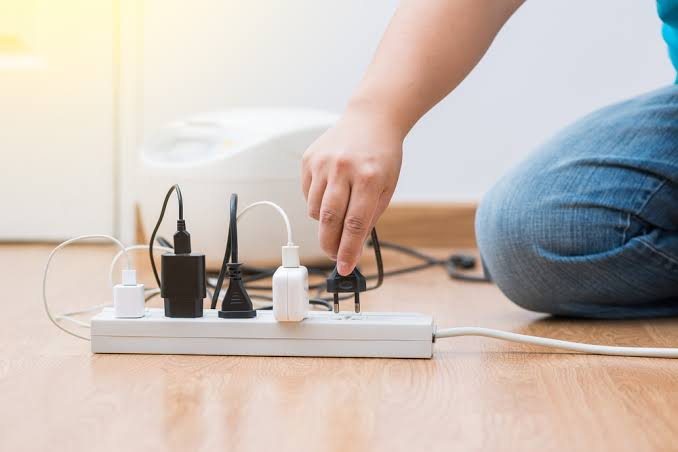
A homeowner may use surge-protective power strips for computers, televisions, and other equipment, but many electrical devices are connected directly to wall outlets or dedicated circuits.
Whole-home surge protection can provide an additional layer of protection throughout the electrical system, including for equipment that may not be connected to an individual plug-in surge protector.
Protect Expensive Appliances
Electronics are not the only equipment that can be affected by electrical surges. Modern appliances can contain sophisticated electronic controls and circuit boards.
Refrigerators, washing machines, dryers, ovens, HVAC equipment, smart appliances, and other systems may rely on electronic components for their operation. Replacing these components or entire appliances can be expensive.
Protecting the home’s electrical system against transient voltage events can therefore help reduce the risk of surge-related damage to a wider range of household equipment.
Smart Homes Increase the Importance of Surge Protection
Smart home technology has added even more electronics to modern properties. Smart thermostats, security cameras, doorbells, lighting systems, networking equipment, automated appliances, and home entertainment systems all depend on electronic components.
Many of these devices are designed to remain connected to the electrical system continuously. This means they may be exposed to electrical disturbances even when homeowners are not actively using them.
As homes become increasingly connected, protecting the electrical infrastructure that supports these devices becomes an important consideration.
Surge Protection Can Help Protect Data and Connectivity
Some electrical equipment stores important data or provides connectivity for the entire home. Computers, networking equipment, storage devices, and other electronics can contain valuable information.
A power-related event that damages this equipment can create consequences beyond the cost of replacing a device. Homeowners may lose access to important files, experience network interruptions, or have to replace multiple pieces of equipment.
Surge protection is not a substitute for backups or other forms of data protection, but it can be part of a broader strategy for protecting electronic equipment and reducing electrical risks.
Plug-In Surge Protectors Have Limitations
Plug-in surge protectors can be useful for certain electronics, but they should not necessarily be considered a complete replacement for whole-home surge protection.
A plug-in device generally protects equipment connected directly through that device. Other equipment throughout the property may remain exposed to electrical surges.
Whole-home surge protection works at the electrical system level, providing broader protection for connected circuits. For homeowners with significant electronic equipment, combining appropriate point-of-use protection with whole-home protection can provide a more comprehensive approach.
Surge Protection Can Provide Long-Term Financial Benefits
Replacing damaged electronics and appliances can become expensive. A single electrical event could potentially affect multiple devices, especially if the property contains a large number of sensitive electronics.
The cost of installing surge protection should therefore be considered alongside the potential cost of replacing valuable equipment. While no surge protection system can guarantee that every device will remain undamaged during every electrical event, reducing exposure to excessive voltage can provide meaningful protection.
For homeowners who have invested heavily in electronics, appliances, home office equipment, entertainment systems, and smart technology, surge protection can be a practical long-term investment.
Professional Installation Matters
Whole-home surge protection should be installed by a qualified electrician. The device needs to be selected and installed appropriately for the property’s electrical system.
Professional installation allows the electrician to evaluate the electrical panel, service, grounding, and other relevant components before installing the protective equipment.
An electrician can also help homeowners understand what the surge protection system is designed to protect and whether additional protection may be appropriate for specific sensitive equipment.
Surge Protection and Grounding Work Together
Proper grounding is an important part of an electrical system’s overall safety and protection strategy. Surge protection depends on the electrical system being appropriately configured so that excessive electrical energy can be managed as intended.
If there are grounding problems or other electrical concerns, those issues may need to be addressed before or during surge protection installation.
A professional electrician can evaluate these components and identify conditions that could affect the performance of the electrical protection system.
Regularly Check Surge Protection Equipment
Surge protective devices can experience wear when they respond to electrical events. Depending on the type of device, there may be an indicator showing whether the protection remains active.
Homeowners should pay attention to the manufacturer’s indicators and recommendations. If the device indicates that protection has been exhausted or there is another reason to suspect that it is no longer functioning properly, contact an electrician for evaluation or replacement.
Maintaining the surge protection system is important because simply having a device installed does not mean it will provide protection indefinitely.
Protect Your Home During Storm Season
Storm season can be an ideal time to evaluate your home’s electrical protection. Severe weather can expose electrical systems to conditions that are difficult for homeowners to control.
In addition to surge protection, homeowners should make sure their electrical system is properly maintained and that damaged electrical components are addressed promptly.
If your property has experienced previous electrical problems during storms or contains expensive electronics and appliances, speak with a qualified electrician about whether whole-home surge protection would be appropriate.
Is Whole-Home Surge Protection Worth It?
For many homeowners, whole-home surge protection can be a worthwhile investment. The value is particularly apparent in properties with numerous electronic devices, expensive appliances, smart home systems, home offices, entertainment equipment, or other sensitive technology.
The decision should be based on the home’s electrical system, equipment, location, and individual needs. A professional electrician can evaluate the property and explain the available options.
Surge protection should be viewed as one component of a broader electrical safety strategy rather than a guarantee against every type of electrical damage.
Protect Your Electronics With MK Electric Man
Modern electronics and appliances represent a significant investment for homeowners. Protecting them from electrical surges can help reduce the risk of unexpected damage and potentially save money on premature replacements.
MK Electric Man provides professional electrical services for homeowners who need surge protection, electrical repairs, panel upgrades, installations, and other electrical solutions. A qualified electrician can evaluate your electrical system and determine whether whole-home surge protection is appropriate for your property.
Power surges can happen because of storms, utility events, or electrical activity within the home, and they are not always predictable. Installing appropriate surge protection can provide an additional layer of defense for your electrical system and the valuable equipment connected to it.
For homeowners looking to improve electrical safety and protect their investment in modern electronics, whole-home surge protection is worth considering. Combined with proper electrical maintenance and professional inspections, it can help create a safer and more reliable electrical environment for your home.