
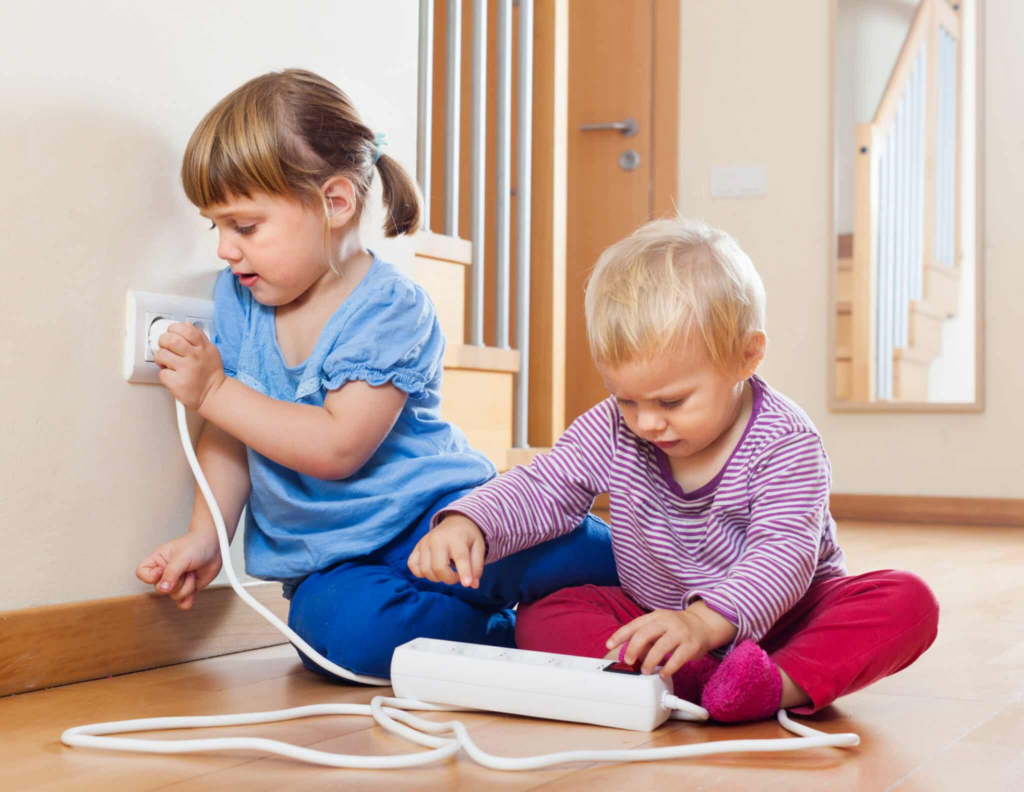
Children are naturally curious. As they explore their surroundings, they may touch, pull, open, or investigate things that adults normally take for granted. Electrical outlets, cords, appliances, switches, and other electrical equipment can become potential hazards when young children are around.
Electrical safety should therefore be an important part of creating a child-friendly home. Parents and caregivers can reduce many common risks by securing outlets, managing electrical cords, keeping appliances out of reach, and teaching children simple safety rules as they grow. While no home can be completely free of electrical hazards, taking practical precautions can make the environment significantly safer.
Why Electrical Safety Is Important for Children
Children may not understand the dangers associated with electricity. A young child may see an electrical outlet as an interesting object without realizing that inserting an object into it can be extremely dangerous. Similarly, a child may pull on a power cord without understanding that the connected appliance could fall or that the cord itself could become damaged.
Because children learn through exploration, parents should not rely entirely on verbal warnings. Physical safety measures can help prevent children from accessing electrical components before they are old enough to understand the risks.
Creating a safer electrical environment involves looking at the home from a child’s perspective and identifying areas where electrical equipment could be reached, pulled, damaged, or misused.
Use Appropriate Outlet Protection
Electrical outlets can be a concern in homes with young children, particularly outlets that are easily accessible. Parents can use appropriate child-safety devices designed for electrical receptacles to help prevent children from inserting objects into unused outlets.
Outlet protection should be suitable for the specific type of receptacle and installed according to the manufacturer’s instructions. Parents should also remember that outlet covers are only one part of an overall electrical safety strategy.
If an outlet is loose, cracked, damaged, unusually warm, or showing other signs of a problem, a child-safety cover should not be considered a substitute for professional electrical repair. Damaged electrical components should be evaluated by a qualified electrician.
Keep Electrical Cords Out of Reach
Loose electrical cords can create several hazards for children. A child may pull on a cord, chew on it, trip over it, or use it to pull an appliance from a countertop or table.
Parents should keep unnecessary cords organized and away from areas where children play. Cords should not be left hanging from tables or counters where a child can easily grab them.
Cord management should also take into account the condition of the cable. Frayed, cracked, exposed, or damaged cords should not be used. Damaged electrical cords can create shock and fire risks and should be replaced or professionally addressed as appropriate.
Keep Appliances Away From Young Children
Many household appliances can become dangerous when they are within a child’s reach. Items such as hair dryers, heaters, kitchen appliances, irons, fans, and other electrical equipment should be kept away from children when they are not being used.
Small appliances should not be left plugged in unnecessarily, especially in areas where children can access them. Appliances that produce heat should receive particular attention because they can cause burns as well as electrical hazards.
Parents should also make sure appliances are placed on stable surfaces where children cannot easily pull them down. A child reaching for an electrical appliance can accidentally cause the device to fall.
Be Careful With Kitchen Appliances
The kitchen contains many electrical appliances and can present additional risks for young children. Blenders, mixers, toaster ovens, microwaves, coffee makers, and other equipment should be used carefully and kept out of children’s reach.
Appliance cords should be positioned so that children cannot easily pull them from countertops. Hot appliances should be treated as both electrical and burn hazards.
Parents should also avoid allowing children to play near appliances that are operating. As children become older, parents can gradually teach them how household appliances should be used safely and when adult supervision is required.
Keep Water Away From Electrical Equipment
Water and electricity can create a particularly dangerous combination. Children should be taught to keep electrical devices away from sinks, bathtubs, showers, and other wet areas.
Hair dryers, electric shavers, chargers, and other electrical devices should never be used carelessly around water. Parents should also pay attention to where electrical cords and devices are placed in bathrooms and kitchens.
If an electrical device falls into water, do not reach into the water to retrieve it. Electrical hazards involving water should be treated seriously, and professional assistance may be necessary.
Teach Children Simple Electrical Safety Rules
As children grow, education becomes an important part of electrical safety. Young children may not understand technical explanations about electricity, but they can learn simple rules.
Parents can teach children never to put objects into outlets, never to pull electrical cords, never to touch electrical equipment with wet hands, and never to play with electrical switches or appliances without permission.
These lessons should be repeated regularly. Children learn at different speeds, so safety rules should be reinforced as they become more independent.
Keep Chargers and Cables Organized
Modern homes often have multiple charging cables for phones, tablets, gaming devices, computers, and other electronics. These cables can easily end up on floors, beds, sofas, or other areas where children can reach them.
Parents should keep chargers and cables organized and inspect them periodically. Damaged charging cables should be replaced rather than continuing to use them.
Children should also be taught that chargers and electronic devices are not toys. Keeping charging equipment away from very young children can reduce the chance of chewing, pulling, or other unsafe behavior.
Be Careful With Extension Cords
Extension cords can be useful for temporary electrical needs, but they should not become a permanent substitute for appropriate electrical outlets or wiring.
Parents should keep extension cords away from areas where children walk or play. Cords running across floors can create trip hazards, while exposed or damaged cords can create electrical risks.
If a room regularly requires extension cords because there are not enough properly located outlets, it may be worth having a professional electrician evaluate whether additional outlets or other electrical improvements are appropriate.
Watch for Damaged Outlets and Switches
Parents should regularly pay attention to the condition of electrical outlets and switches throughout the home. Cracks, loose plates, discoloration, buzzing sounds, sparks, or unusual heat can indicate an electrical problem.
These signs should not be ignored, especially when children are present. A damaged outlet may be accessible to a child who does not understand the potential danger.
If an outlet or switch appears damaged or behaves unusually, keep children away from the area and have the electrical component evaluated by a professional.
Keep Electrical Panels Inaccessible
Electrical panels should not be treated as an area for children to explore. Parents should make sure children cannot easily access the panel or interfere with breakers and other electrical components.
If the electrical panel is located in an area where children frequently play, consider whether additional precautions are necessary to prevent unauthorized access.
Parents should also teach older children that electrical panels are not toys and that breakers should not be switched on and off without an adult’s permission.
Be Cautious With Space Heaters
Portable heaters can present both electrical and fire hazards. They should be placed where children cannot easily reach them, pull them over, or touch hot surfaces.
Heaters should be used according to the manufacturer’s instructions and kept away from materials that could catch fire. Children should never be allowed to play around portable heating equipment.
If a heater repeatedly trips a breaker or causes an electrical outlet to become unusually warm, stop using it and have the situation evaluated rather than repeatedly resetting the breaker.
Make Outdoor Electrical Areas Child-Safe
Electrical safety should not stop at the front door. Outdoor areas can also contain outlets, lighting equipment, extension cords, power tools, pool equipment, and other electrical components.
Parents should keep children away from electrical equipment that is being used for outdoor maintenance or construction. Outdoor electrical devices should be suitable for outdoor use, and electrical equipment should be kept away from water unless it is specifically designed and installed for that environment.
Outdoor outlets and electrical installations should also be properly protected according to applicable requirements.
Teach Children What to Do in an Emergency
Children should know what to do if they see something that looks unsafe. Instead of touching an electrical problem, they should tell an adult immediately.
Parents can teach children to stay away from sparks, damaged wires, exposed electrical components, smoke, or unusual electrical noises. Older children can also learn how to respond appropriately to emergency situations and when to seek adult help.
If someone receives an electrical shock, the situation should be treated as an emergency. Do not touch the person while they may still be in contact with an energized source. Disconnect the power safely if possible without putting yourself at risk, and seek emergency medical assistance.
Electrical Safety During Home Renovations
Home renovations can temporarily create additional electrical hazards for children. Open walls, exposed wiring, construction equipment, temporary cords, and unfinished electrical installations can all create unsafe conditions.
Children should be kept away from renovation areas, particularly when electrical work is taking place. Electrical wiring and components should only be handled by qualified professionals.
Once a renovation is complete, parents should make sure outlets, switches, lighting, and other electrical components are properly installed before allowing children to use the renovated area.
Have Your Electrical System Professionally Inspected
One of the best ways to improve electrical safety is to make sure the home’s electrical system is in good condition. A professional electrical inspection can help identify damaged components, outdated equipment, wiring concerns, and other potential hazards.
An inspection can be especially useful for older homes or properties that have undergone multiple renovations. Parents may also want to consider an inspection if they notice recurring electrical problems or are unsure about the condition of the home’s wiring and electrical panel.
Professional electricians can identify problems that may not be obvious to someone without electrical training.
Create a Safer Electrical Environment
Child electrical safety is about combining education with practical prevention. Parents should not expect young children to understand electrical dangers on their own. Instead, electrical equipment should be secured, cords should be managed, appliances should be kept out of reach, and damaged components should be repaired promptly.
As children grow older, parents can introduce more detailed electrical safety lessons. Teaching children to respect electricity from an early age can help establish habits that continue into adulthood.
If you notice damaged outlets, electrical wiring concerns, frequently tripping breakers, unusual electrical sounds, or other warning signs in your home, professional help should be sought rather than attempting complex electrical repairs yourself.
Protect Your Family With Professional Electrical Services
A safe home starts with a properly maintained electrical system. While parents can take many simple steps to reduce electrical hazards around children, professional electrical work is important when the problem involves wiring, outlets, panels, grounding, circuit protection, or other parts of the electrical system.
MK Electric Man provides professional electrical services for homeowners, including electrical repairs, inspections, installations, panel services, lighting, surge protection, and other electrical solutions. Having electrical concerns addressed by a professional can help create a safer and more dependable home environment for the entire family.
Final Thoughts
Children are naturally curious, and that curiosity can sometimes bring them close to electrical hazards. Parents can reduce these risks by securing accessible outlets, keeping cords organized, storing appliances safely, keeping water away from electrical equipment, and teaching children basic electrical safety rules.
It is equally important to pay attention to the condition of the home’s electrical system. Damaged outlets, exposed wiring, recurring breaker problems, burning odors, sparks, or other warning signs should never be ignored.
With appropriate child-safety measures, regular attention to electrical hazards, and professional electrical service when needed, families can create a safer home environment while helping children learn to respect the power and potential dangers of electricity.