
Electrical problems can range from a minor issue with a single outlet to serious problems involving wiring, electrical panels, or other major components of a home’s electrical system. When something goes wrong, homeowners often face an important question: should the problem be repaired, or is replacement the better option?
The answer depends on several factors, including the condition of the electrical component, the cause of the problem, the age of the system, safety concerns, and the expected long-term reliability of the repair. While a repair may be appropriate for some situations, replacing a damaged or outdated component can sometimes be the safer and more cost-effective solution.
Understanding the difference between electrical repair and replacement can help homeowners make better decisions when dealing with electrical problems.
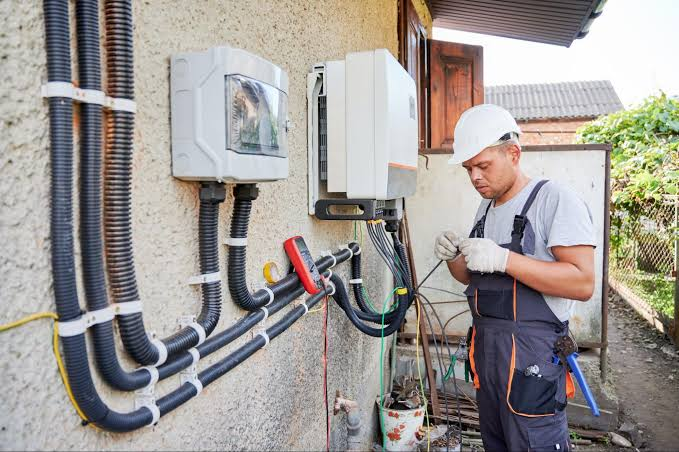
What Is an Electrical Repair?
Electrical repair generally involves fixing a damaged or malfunctioning part of an existing electrical system. The goal is to restore proper operation without replacing the entire component or system.
For example, an electrician may repair an electrical connection, replace a damaged switch, correct a wiring issue, or address a problem causing a circuit breaker to trip. The appropriate repair depends on the source of the problem and the condition of the surrounding electrical system.
A repair can be a practical solution when the existing component is otherwise in good condition and the problem can be safely corrected. However, repairing one visible problem does not always address underlying issues, which is why professional diagnosis is important.
What Is Electrical Replacement?
Electrical replacement involves removing a damaged, outdated, or unsuitable electrical component and installing a new one. Replacement may involve a single outlet, switch, circuit breaker, electrical panel, section of wiring, or another electrical component.
Replacement becomes more appropriate when a component has reached the end of its useful life, has significant damage, or cannot be safely repaired. In some cases, replacing the component can provide better long-term reliability than repeatedly repairing the same issue.
A professional electrician can evaluate the condition of the component and determine whether repair or replacement makes more sense.
When Is an Electrical Repair Enough?
Repair may be appropriate when the problem is limited, the electrical component is in generally good condition, and there are no signs of a larger system-wide issue.
For example, a single faulty switch may not require replacement of the entire electrical circuit. Similarly, an isolated electrical connection problem may be corrected if the surrounding wiring and equipment are safe and suitable for continued use.
The important consideration is whether the repair actually resolves the cause of the problem. If the same issue continues to occur after a repair, further investigation may be necessary.
When Is Replacement the Better Choice?
Replacement may be necessary when an electrical component is severely damaged, outdated, repeatedly failing, or no longer suitable for the property’s electrical requirements.
A component that has suffered extensive damage may not be a good candidate for repair. Continuing to repair an unreliable component can result in repeated service calls and additional costs.
Replacement can also be appropriate when a property’s electrical demands have changed significantly. For example, adding modern appliances, large equipment, an EV charger, or other high-demand electrical loads may require upgrades to parts of the electrical system.
Damaged Electrical Wiring
Electrical wiring is one area where the repair-versus-replacement decision requires particular care. Small sections of damaged wiring may sometimes be repaired appropriately, but widespread deterioration or outdated wiring can require a more extensive solution.
Signs such as exposed conductors, damaged insulation, burning odors, unusual heat, or recurring electrical problems should not be ignored. Wiring problems can create serious safety concerns, particularly when the cause is not immediately visible.
An electrician can inspect the affected wiring and determine whether a localized repair is appropriate or whether replacement of a larger section is necessary.
Repairing or Replacing Electrical Outlets
A faulty electrical outlet does not always mean that the entire circuit needs to be replaced. In some situations, replacing the outlet itself may solve the problem.
However, an outlet that is loose, cracked, discolored, unusually warm, sparking, or repeatedly malfunctioning may indicate a deeper electrical issue. The condition of the wiring behind the outlet should also be considered.
Simply installing a new outlet without determining why the original component failed may not solve the underlying problem. Professional evaluation can help determine whether the issue is limited to the receptacle or connected to the circuit itself.
Electrical Panel Repair vs. Replacement
The electrical panel is one of the most important components of a home’s electrical system. It distributes electricity throughout the property and provides circuit protection.
Some panel problems may be repairable. For example, an individual component may fail while the rest of the panel remains in good condition. In other situations, however, the panel may be outdated, damaged, overloaded, or unsuitable for the property’s current electrical needs.
Repeated breaker problems, signs of overheating, physical damage, corrosion, or insufficient capacity can indicate that a larger panel upgrade or replacement should be considered.
The decision should be based on the condition of the entire electrical system rather than the appearance of a single component.
Age of the Electrical System Matters
Age is an important factor when deciding between repair and replacement. Electrical components do not necessarily need to be replaced simply because they are old, but an aging system may require closer evaluation.
Older electrical systems may not have been designed to handle the number of appliances and electronic devices used in modern homes. Previous renovations may also have resulted in multiple modifications to the original electrical system.
If an older system is experiencing repeated problems, repairing individual issues may not always be the most effective long-term approach. A professional inspection can help identify whether targeted repairs or broader upgrades are appropriate.
Recurring Electrical Problems
One of the strongest reasons to reconsider repeated repairs is when the same electrical problem keeps coming back.
A breaker that repeatedly trips, an outlet that continually stops working, or lights that repeatedly flicker may indicate an unresolved underlying issue. Replacing individual components without identifying the cause may only provide a temporary solution.
Recurring problems deserve professional investigation. An electrician can determine whether the issue is related to circuit overload, wiring, equipment failure, connections, or another part of the electrical system.
Safety Should Come Before Cost
Cost is naturally an important consideration for homeowners, but electrical safety should always be the first priority.
A cheaper repair is not necessarily the better option if the component is severely damaged or likely to fail again. Likewise, replacing an entire system when a simple, safe repair is sufficient may be unnecessary.
The goal should be to find a solution that addresses the problem safely while providing reasonable long-term value. A professional electrician can help homeowners understand the available options and why a particular solution is recommended.
Consider the Long-Term Cost
The initial price of a repair may be lower than replacement, but homeowners should also consider the long-term cost.
If a component requires repeated repairs, the total expense can eventually become significant. Continued failures can also create inconvenience and potentially affect other parts of the electrical system.
Replacement may have a higher upfront cost, but it can sometimes provide a more reliable long-term solution. The right choice depends on the condition and expected lifespan of the existing component.
Electrical Code Requirements
Electrical repairs and replacements may also be affected by current electrical codes and local requirements. When electrical work is performed, certain modifications may need to meet requirements that apply to the work being completed.
This can be particularly important during renovations, panel upgrades, wiring modifications, and other larger electrical projects.
Homeowners should not assume that an old installation automatically needs to be replaced simply because it does not reflect today’s standards. However, when new electrical work is performed, applicable requirements should be considered by the professional completing the project.
Hidden Damage Can Change the Decision
Electrical problems are not always limited to the component that initially appears to be faulty. Heat, moisture, loose connections, previous improper work, or other conditions can cause hidden damage.
For example, a damaged outlet may be connected to wiring that has also been affected. A malfunctioning breaker may be related to an issue elsewhere on the circuit.
This is why professional diagnosis is important. Repairing only the visible component without understanding the cause can allow a more serious problem to remain unresolved.
Renovations May Require Electrical Replacement
Home renovations can change the electrical requirements of a property. Adding new rooms, appliances, lighting, outlets, or other equipment may require modifications to existing circuits and wiring.
In some cases, the existing electrical infrastructure may be adequate with a few targeted changes. In others, older wiring, insufficient capacity, or outdated equipment may make replacement or upgrading a better solution.
Electrical planning should be completed before major renovation work begins. This allows homeowners to understand the electrical requirements of the project and avoid unexpected problems later.
Professional Diagnosis Makes the Difference
Homeowners should avoid making repair-versus-replacement decisions based solely on what is visible. Electrical systems can have problems that are hidden behind walls, inside outlets, or within panels.
A professional electrician can inspect the affected area, identify the cause of the problem, and evaluate the condition of related components. This makes it easier to determine whether a repair is appropriate or whether replacement would provide a safer solution.
Professional diagnosis can also help homeowners avoid unnecessary replacements while ensuring that serious electrical problems are not overlooked.
Signs You Should Contact an Electrician
Certain warning signs should prompt homeowners to seek professional electrical assistance. Burning odors, smoke, sparks, exposed wiring, electrical shocks, unusually hot outlets or switches, repeated breaker trips, buzzing sounds, and unexplained power problems can all indicate an electrical issue.
Homeowners should not attempt complex electrical repairs simply to avoid the cost of professional service. Incorrect repairs can create additional hazards and may make the original problem more difficult to diagnose.
If there is an immediate electrical hazard, stay away from the affected area and seek professional or emergency assistance as appropriate.
Choosing the Right Electrical Solution
There is no single answer to whether an electrical problem should be repaired or replaced. The right decision depends on the condition of the component, the cause of the failure, the age of the system, safety considerations, electrical demand, and long-term reliability.
A minor, isolated problem may only require a straightforward repair. A severely damaged, outdated, or repeatedly failing component may be better replaced. In both situations, professional evaluation helps ensure that the decision is based on the actual condition of the electrical system.
Professional Electrical Repairs and Replacements
Whether your home needs a small electrical repair or a larger replacement project, getting the problem properly diagnosed is an important first step. A professional electrician can identify the cause of the issue and explain whether repair, replacement, or an electrical upgrade is the most appropriate solution.
MK Electric Man provides professional electrical services for homeowners, including electrical repairs, wiring services, electrical panel work, lighting, inspections, surge protection, upgrades, and other electrical solutions. Addressing electrical problems professionally can help improve safety, reliability, and the long-term performance of your home’s electrical system.
Final Thoughts
Choosing between electrical repair and replacement is not always straightforward. A component may appear to need replacement when a safe repair is possible, while another problem may seem minor but actually indicate a larger electrical issue.
The best decision considers both the immediate problem and the condition of the overall electrical system. Factors such as safety, age, damage, recurring failures, electrical demand, code requirements, and long-term costs should all be considered.
If you are unsure whether an electrical problem requires a repair or replacement, professional evaluation is the safest way to find out. A qualified electrician can identify the underlying issue and help you choose a solution that keeps your home safe, reliable, and ready for its electrical needs.