
Electrical installations are an important part of every home and business. From wiring and outlets to lighting, electrical panels, appliances, generators, and modern equipment, properly installed electrical components help keep a property safe and functional. Because electricity can present serious risks when handled incorrectly, electrical installation should be approached with care and professional knowledge.
While some electrical projects may appear simple, the work behind a safe installation involves much more than connecting wires or mounting a fixture. Proper installation requires an understanding of electrical loads, wiring methods, circuit protection, grounding, applicable electrical requirements, and the specific needs of the property.
Hiring a qualified professional for electrical installation can help ensure that the system is installed correctly from the beginning. This can improve safety, support reliable performance, and reduce the likelihood of costly electrical problems in the future.
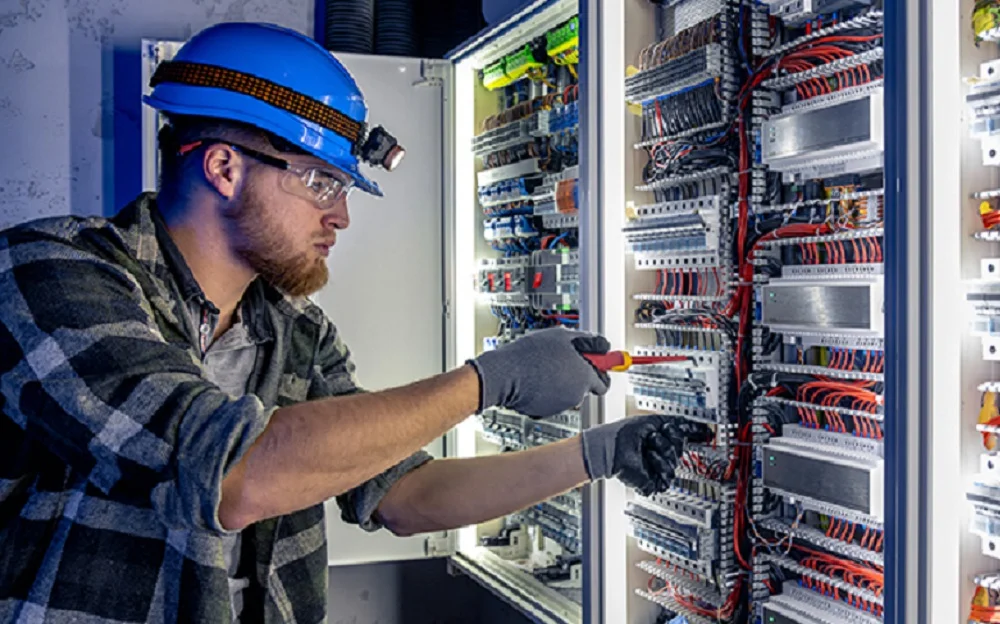
What Does Professional Electrical Installation Involve?
Professional electrical installation covers a wide range of work. Depending on the property and project, it can include installing wiring, outlets, switches, lighting fixtures, electrical panels, dedicated circuits, generators, equipment connections, and other electrical components.
Before installation begins, an electrician needs to understand how the electrical system will be used. Different appliances and equipment can have different electrical requirements, and the system needs to be capable of safely supporting the expected load.
Professional installation therefore involves planning as well as physical work. The electrician considers the existing electrical system, the requirements of the new installation, circuit capacity, protection, and other relevant factors.
Safety Starts With Proper Installation
One of the biggest advantages of professional electrical installation is improved safety. Electrical systems that are incorrectly installed can create risks such as electrical shock, overheating, equipment damage, and electrical fires.
Incorrect wiring, loose connections, improperly sized conductors, inadequate protection, and other installation problems may not always be obvious immediately. An electrical system can appear to work normally while still containing a potentially dangerous problem.
Professional installation helps reduce these risks by ensuring that electrical components are selected, connected, and installed appropriately for the intended application.
Electrical Code Compliance
Electrical installations need to follow applicable electrical codes and local requirements. These requirements are designed to promote safer electrical systems and establish standards for installation practices.
Code requirements can apply to wiring, outlets, grounding, circuit protection, panels, equipment, and many other parts of an electrical installation. Requirements can also vary depending on the type of property and the project being completed.
A professional electrician understands the importance of code compliance and can take applicable requirements into consideration during the installation. This is particularly important for larger projects, renovations, additions, and new construction.
Professional Installation Helps Prevent Wiring Problems
Electrical wiring is often hidden behind walls, ceilings, and other parts of a building. Once a project is complete, identifying an installation problem can become much more difficult.
Improperly connected or damaged wiring can create problems that may only become noticeable later. Loose connections, unsuitable wiring, overloaded circuits, or poor installation practices can affect the performance and safety of the electrical system.
Having wiring installed professionally from the beginning can help reduce the risk of these problems. It also makes it easier to ensure that the electrical system is designed around the property’s actual needs.
Correct Circuit Sizing Matters
Electrical circuits need to be appropriate for the equipment and loads they are expected to support. Connecting too many high-demand devices to an unsuitable circuit can cause excessive electrical demand and recurring breaker problems.
During professional installation, an electrician evaluates the intended electrical load and determines how the equipment should be connected. Certain appliances or systems may require dedicated circuits rather than sharing power with general-purpose outlets.
This type of planning is particularly important when installing large appliances, HVAC equipment, EV chargers, generators, workshop equipment, or other high-demand electrical systems.
Proper Grounding and Circuit Protection
Grounding and circuit protection are important parts of electrical safety. Electrical systems use protective components to help respond to certain fault conditions and reduce potential hazards.
Professional installation includes consideration of grounding, circuit protection, and other safety components appropriate to the electrical system.
These elements should not be treated as optional additions. An installation that works but lacks appropriate protection may still present serious risks.
Reliable Electrical Performance
Professional installation can also improve the reliability of an electrical system. Correctly installed components are less likely to experience problems caused by loose connections, incorrect wiring, unsuitable equipment, or poor installation practices.
Reliable electrical performance is important for both homes and businesses. Homeowners depend on electricity for appliances, lighting, heating and cooling, communication, and entertainment. Businesses may depend on electrical systems for computers, equipment, security, lighting, and daily operations.
Proper installation provides a strong foundation for the electrical system and can help it perform consistently over time.
Professional Installation Can Reduce Future Repairs
Improper electrical installation can create problems that require repairs later. A poorly connected outlet, incorrectly installed fixture, or unsuitable circuit can become a recurring source of electrical trouble.
While professional installation does not eliminate the possibility of future electrical problems, it can reduce risks associated with incorrect installation practices.
Starting with quality electrical work can also make future maintenance easier. When electrical components are properly installed and organized, electricians can more effectively diagnose and service the system when maintenance or repairs are eventually needed.
The Risks of DIY Electrical Work
DIY projects can be appealing because homeowners may want to save money or complete a small project themselves. However, electrical work presents risks that are different from many other home improvement tasks.
A person may not be able to see an electrical hazard simply by looking at an outlet or wire. Incorrectly connecting conductors, failing to provide appropriate protection, or damaging hidden wiring can create dangerous conditions.
Electrical work can also involve requirements that are difficult to identify without professional knowledge. For significant installations or modifications, hiring a qualified electrician is a safer approach.
DIY Work Can Create Hidden Problems
One of the biggest concerns with improper electrical work is that the problem may remain hidden. An outlet or light fixture might function normally even though its wiring has been installed incorrectly.
Hidden electrical problems can become more serious over time, particularly when electrical loads increase or components deteriorate.
This is why electrical installation should not be judged solely by whether the equipment turns on. A professional installation considers the entire electrical system and the conditions under which the equipment will operate.
Professional Installation During Renovations
Renovations often involve electrical changes. New rooms, kitchens, bathrooms, lighting, appliances, and entertainment systems can all require new or modified electrical circuits.
Electrical work should be planned alongside the rest of the renovation rather than added after construction decisions have already been made. This can help ensure that outlets, switches, lighting, and equipment are positioned appropriately and that the electrical system can support the project.
Professional electrical installation can also help prevent the need for unnecessary modifications after walls and ceilings have already been finished.
Electrical Installation for New Construction
New construction provides an opportunity to design an electrical system around the property’s expected needs. Proper planning at this stage can make a significant difference in the convenience and reliability of the finished system.
An electrician can help install wiring, panels, outlets, lighting, dedicated circuits, and other components according to the design and applicable requirements.
Planning ahead can also make it easier to accommodate modern electrical demands, including additional electronics, home offices, smart technology, EV charging, and other equipment.
Installing Modern Electrical Equipment
Today’s homes and businesses use a growing number of electrical devices. New appliances, smart home equipment, security systems, EV chargers, backup power systems, and other technology can introduce additional electrical requirements.
Installing these systems requires more than simply connecting them to the nearest available outlet. Their electrical demands, location, circuit requirements, and compatibility with the existing system need to be considered.
A professional electrician can evaluate the electrical system before installation and determine what modifications may be necessary.
Professional Installation Protects Your Property
Electrical installation quality can affect more than just the operation of an individual device. Electrical problems can potentially damage equipment and create risks for the wider property.
Proper installation helps reduce the possibility of problems caused by overloaded circuits, improper connections, unsuitable components, or other installation issues.
Professional electrical work can also provide greater confidence when maintaining or improving a property in the future. Knowing that major electrical installations were handled appropriately can make future electrical planning easier.
Electrical Installation and Property Value
A properly maintained electrical system can contribute to the overall condition of a property. Electrical problems may become a concern during property inspections, particularly when wiring, panels, outlets, or other components show signs of improper work.
Professional installation can help avoid many problems associated with poor workmanship. Keeping documentation for significant electrical projects can also be useful for future maintenance and property transactions.
When making electrical improvements, homeowners should consider not only the immediate function of the installation but also how the work will affect the property over the long term.
Why Professional Experience Matters
Electrical installation requires technical knowledge, attention to detail, and an understanding of how individual components interact within a larger system.
A professional electrician can identify potential issues before they become problems and make decisions based on the property’s electrical requirements. This can be especially important when working with older electrical systems or complex installations.
Professional experience also helps ensure that the work is approached systematically rather than relying on trial and error.
Choosing Professional Electrical Installation
When selecting an electrician, property owners should consider experience with the type of project they need completed. Residential installations, commercial electrical projects, panel upgrades, lighting installations, generators, and other systems can have different requirements.
Clear communication is also important. A professional should be able to explain the scope of the work, identify relevant electrical considerations, and provide an appropriate solution for the property.
The cheapest installation is not always the best choice if it compromises safety or long-term reliability. Electrical work should be viewed as an investment in the property’s infrastructure.
Professional Electrical Installation From the Start
Professional electrical installation provides a strong foundation for a safe and reliable electrical system. Whether you are installing new lighting, adding outlets, upgrading an electrical panel, connecting a generator, or completing a larger renovation, the quality of the installation matters.
MK Electric Man provides professional electrical services for homeowners and property owners, including electrical installations, repairs, inspections, panel services, lighting, wiring, surge protection, generators, and other electrical solutions. Professional electrical installation can help ensure that your electrical improvements are completed with safety, reliability, and applicable requirements in mind.
Final Thoughts
Electrical installation is not a project where cutting corners is worth the risk. A system may appear to work after an installation is completed, but hidden wiring problems, improper connections, inadequate protection, or overloaded circuits can create serious issues later.
Hiring a qualified professional helps ensure that electrical work is properly planned, installed, and evaluated. Professional installation can improve safety, support code compliance, provide reliable performance, and potentially reduce the need for avoidable repairs.
Whether you are building a new home, renovating an existing property, installing new equipment, or upgrading your electrical system, professional electrical installation is an investment in the safety and long-term performance of your property.