
Buying or moving into a new home is an exciting experience. Homeowners usually spend time checking the condition of the roof, plumbing, heating and cooling systems, appliances, and other major features before settling in. However, one area that should never be overlooked is the electrical system.
Even a home that looks perfect on the surface can have electrical problems that are difficult to see. Wiring may be damaged or improperly installed, outlets may not be adequately protected, breakers may not be properly matched to circuits, or previous electrical work may not have been completed correctly. These issues may not become obvious until after you move in and begin using the home’s electrical system every day.
A professional electrical inspection can provide valuable information about the condition and safety of the system before small concerns become expensive repairs. Whether you are purchasing a newly constructed property, moving into an older home, or buying a house that has recently been renovated, having the electrical system evaluated by a qualified electrician is a smart step.
A New Home Does Not Always Mean a Perfect Electrical System
Many homeowners assume that a new home automatically has a flawless electrical system. While new construction is generally completed according to applicable requirements, mistakes, installation issues, or other concerns can still occur.
A professional inspection provides an independent look at the electrical system. Instead of relying only on the appearance of the property or assuming everything is functioning correctly, homeowners can have important electrical components evaluated by a qualified professional.
For existing homes, an inspection can be even more valuable. A previous owner may have completed DIY electrical work, added new circuits, modified outlets, installed fixtures, or made other changes over the years. Some of these modifications may not be immediately visible.
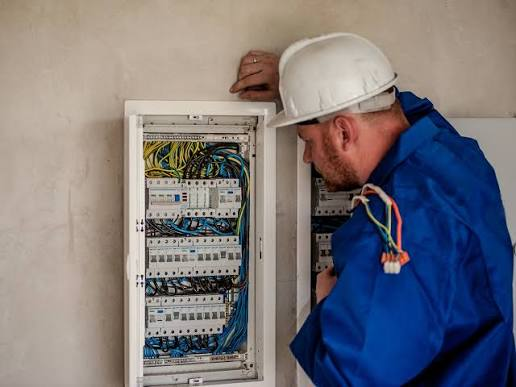
Identify Hidden Wiring Problems
One of the biggest advantages of a professional electrical inspection is the ability to identify potential wiring problems before they become serious.
Electrical wiring is often hidden behind walls, ceilings, floors, and other finished surfaces. This means homeowners cannot easily determine whether every part of the system has been installed or maintained correctly simply by looking around the property.
An electrician can inspect accessible electrical components and look for warning signs such as damaged wiring, improper connections, outdated components, overloaded circuits, or other conditions that may affect safety.
Finding a problem early can be much easier and less expensive than discovering it after an electrical failure or other serious issue occurs.
Verify Electrical Code Compliance
Electrical requirements are designed to promote safe installation and operation of electrical systems. A professional electrician can evaluate whether the home’s electrical work appears to meet applicable requirements and identify areas that may need attention.
Code-related concerns can involve outlets, wiring, grounding, circuit protection, electrical panels, and other parts of the system. Requirements can also vary depending on the type of property and the work that has been performed.
An inspection does not simply provide homeowners with a list of technical information. It can help them understand whether the electrical system has concerns that should be corrected before they rely on it every day.
Test Important Safety Devices
Modern electrical systems use protective devices designed to reduce electrical hazards. During an inspection, an electrician can evaluate appropriate safety devices and determine whether they are operating correctly.
GFCI protection is particularly important in areas where electrical equipment may be exposed to moisture, such as kitchens, bathrooms, garages, laundry areas, and outdoor locations. AFCI protection may also be used to help reduce the risk associated with certain types of electrical faults.
If a protective device is missing, damaged, improperly installed, or not functioning as expected, it may not provide the protection homeowners assume they have.
Professional testing can help identify these concerns before the home becomes your everyday living environment.
Evaluate the Electrical Panel
The electrical panel is the central point where power is distributed to many of the circuits throughout a home. Because of its importance, it should be an important part of any electrical inspection.
An electrician can evaluate the panel for visible signs of damage, overheating, corrosion, improper connections, outdated components, or other conditions that may require attention. They can also consider whether the panel and service capacity are suitable for the home’s electrical demands.
This can be particularly important in homes with modern appliances, electric vehicles, generators, large heating and cooling systems, or other equipment that can place significant demand on the electrical system.
Check Outlets and Switches
Homeowners interact with electrical outlets and switches every day, but they often do not think about their condition until something stops working.
During an electrical inspection, an electrician can check accessible outlets and switches for signs of damage, improper installation, loose connections, discoloration, or other concerns.
An outlet that is loose, warm, damaged, or producing unusual sounds should not be ignored. These symptoms may indicate an underlying electrical problem that requires professional attention.
Checking outlets before moving into a home can also help identify problems that might otherwise remain hidden until after you begin using the property regularly.
Determine Whether the Electrical System Can Handle Your Needs
Every household has different electrical requirements. A home that was perfectly adequate for a previous owner may not necessarily provide the same level of capacity needed by your family.
Modern homeowners may use multiple televisions, computers, kitchen appliances, heating and cooling equipment, charging equipment, entertainment systems, and other electrical devices.
If you are planning to install an EV charger, hot tub, generator, workshop equipment, or other high-demand electrical equipment, it is especially important to understand the condition and capacity of the existing system.
An electrician can evaluate the system and help determine whether upgrades or additional electrical work may be necessary.
Prevent Unexpected Electrical Problems After Moving In
Moving into a new home already comes with plenty of expenses and responsibilities. The last thing homeowners want is to discover a major electrical problem shortly after receiving the keys.
An inspection can help reduce the likelihood of unexpected surprises by identifying concerns before they interfere with your daily life.
For example, discovering a faulty outlet during an inspection gives you an opportunity to address it before you begin relying on that outlet for appliances or electronics. Finding an electrical panel concern early can also give you time to plan the appropriate repair or upgrade.
Preventive attention is generally better than waiting for an electrical problem to become an emergency.
An Inspection Can Help With Older Homes
Electrical inspections are not only useful for newly constructed homes. They are especially valuable when buying older properties.
Older homes can contain aging wiring, outdated electrical panels, insufficient circuits, or electrical components that may not be suitable for modern household demands. Previous renovations can also introduce electrical modifications that need to be evaluated.
A professional inspection can give homeowners a clearer understanding of the electrical system’s condition and help identify improvements that may be worth considering.
This does not necessarily mean that every older home requires a complete electrical replacement. The purpose of an inspection is to identify actual concerns and determine what work, if any, is appropriate.
Renovated Homes Also Deserve an Electrical Inspection
A recently renovated home may appear completely updated, but homeowners should still consider having the electrical system inspected.
Renovation projects can involve new lighting, additional outlets, kitchen appliances, remodeled bathrooms, new rooms, or changes to existing circuits. If electrical modifications were made during the renovation, it is important to know that the work was completed properly.
An independent inspection can provide additional confidence that the electrical system is ready for the demands created by the renovation.
Understand Potential Future Electrical Costs
An electrical inspection can also help homeowners plan financially. If an electrician identifies components that are approaching the end of their useful life or areas that may eventually require upgrades, you can plan for those expenses rather than being surprised by them later.
Not every recommendation requires immediate action. A qualified electrician can help distinguish between urgent safety concerns, necessary repairs, and improvements that may be considered in the future.
Having this information allows homeowners to make better decisions about maintaining and improving their property.
Make Electrical Safety a Priority Before Moving In
Homeowners often change locks, clean rooms, inspect appliances, and test smoke alarms before fully settling into a new property. Electrical safety should be treated with the same level of importance.
An electrical inspection can provide an opportunity to identify issues that are not visible during a normal walkthrough. It can also help homeowners understand how their electrical system is organized and whether there are areas that need professional attention.
If an inspection identifies a serious electrical concern, it is better to address the issue before moving in or before the problem affects your household.
Why Professional Inspection Is Better Than a DIY Check
Homeowners can identify obvious problems such as cracked outlets, damaged cords, or unusual smells, but a basic visual inspection cannot replace professional electrical evaluation.
Electrical systems contain components that homeowners may not be able to safely test or assess. Diagnosing wiring, circuit capacity, grounding, panel conditions, and other technical issues requires appropriate knowledge and experience.
Attempting to open electrical panels, modify wiring, or perform electrical testing without the necessary training can create serious safety risks.
A qualified electrician has the knowledge and tools needed to evaluate the system more thoroughly and safely.
Make Your New Home Safer With MK Electric Man
Before settling into a new home, homeowners should know that their electrical system is ready for everyday use. A professional electrical inspection can help identify hidden concerns, evaluate important safety components, check accessible wiring and electrical equipment, and provide a clearer understanding of the property’s overall electrical condition.
MK Electric Man provides professional electrical services for homeowners who need help with electrical inspections, repairs, installations, upgrades, and other electrical needs. Whether you are purchasing a new property, moving into an older home, or completing a renovation, professional electrical assistance can help you make informed decisions about your home’s electrical system.
An electrical inspection may be one of the most valuable steps you take before fully settling into a new home. Instead of waiting for an electrical problem to appear, take a proactive approach and have the system professionally evaluated. Knowing that your electrical system has been inspected can provide greater confidence, help identify potential problems early, and contribute to a safer and more reliable home.