
Electrical installations are an important part of every home and commercial property. From wiring and outlets to lighting, electrical panels, generators, and other equipment, these systems provide the power needed for everyday life and business operations. When electrical work is installed correctly, it can provide dependable performance for many years. However, poor installation practices can lead to frequent problems, premature component failure, safety concerns, and expensive repairs.
This is why professional electrical installation matters. A qualified electrician understands how electrical systems should be designed, installed, connected, and tested. Professional workmanship combined with suitable materials and proper attention to electrical requirements can create an installation that performs more reliably and stands up better to everyday use.
Proper Installation Starts With Planning
A long-lasting electrical installation begins before the first wire or component is installed. Proper planning allows an electrician to understand the property’s electrical requirements and determine how the system should be configured.
Every property has different electrical demands. A home may require power for lighting, kitchen appliances, HVAC equipment, entertainment systems, computers, EV chargers, and other devices. A commercial building may have even greater demands, including specialized equipment, machinery, lighting systems, computers, and other business-critical systems.
Professional electricians consider these requirements when planning electrical installations. Proper planning helps avoid problems such as overloaded circuits, insufficient capacity, poorly positioned outlets, and installations that are not suitable for the property’s long-term needs.
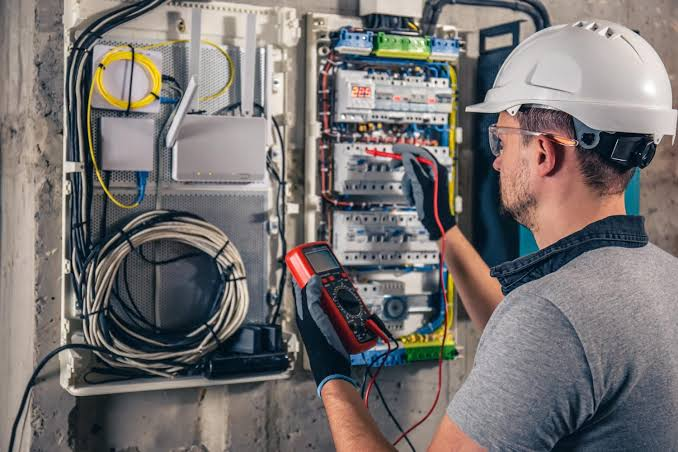
Quality Materials Make a Difference
The quality of the materials used during an electrical installation can have a significant effect on its durability. Electrical components are expected to handle electrical loads safely and consistently, often for many years.
Professional electricians understand the importance of selecting appropriate wiring, outlets, switches, breakers, electrical boxes, connectors, and other components for each application. Using suitable materials helps ensure that the installation can handle the conditions and demands for which it was designed.
Cheap or inappropriate components may not provide the same level of performance or durability. Although choosing lower-cost materials may appear to save money initially, premature failures and repairs can increase the overall cost over time.
Correct Wiring Techniques Improve Reliability
Electrical wiring must be installed carefully. Proper wire sizing, secure connections, appropriate routing, and correct termination all contribute to a reliable electrical system.
If wiring is improperly sized for a circuit, poorly connected, damaged, or installed in an unsuitable manner, it can create problems that may become more serious over time. Loose connections can cause heat buildup, while improper routing can expose wiring to unnecessary damage.
Professional electricians follow established installation practices designed to keep wiring organized, protected, and appropriate for the intended circuit. Careful workmanship can reduce the likelihood of problems developing after the installation is complete.
Secure Electrical Connections Matter
Connections are among the most important parts of an electrical installation. Even high-quality electrical components can experience problems if connections are loose or improperly made.
A secure connection helps electricity flow as intended and reduces the possibility of excessive resistance and heat at connection points. Over time, poorly made connections can contribute to electrical failures and other hazards.
Professional electricians have the training and experience to make appropriate electrical connections and verify that components are properly installed. This attention to detail can contribute significantly to the long-term reliability of an electrical system.
Professional Installations Follow Electrical Codes
Electrical codes and requirements exist to promote safe electrical installation and operation. Professional electricians understand the importance of following applicable requirements when installing or modifying electrical systems.
Code compliance can involve many aspects of an installation, including wiring methods, circuit protection, grounding, outlets, electrical panels, and other components. The exact requirements can vary depending on the type of property and the nature of the project.
Following applicable electrical requirements is not simply about passing an inspection. Proper installation practices can help create a safer and more dependable electrical system.
Proper Circuit Design Prevents Overloading
One reason professionally installed electrical systems tend to perform better is that circuits are designed with the intended electrical load in mind.
An overloaded circuit can experience repeated breaker trips, overheating, or other performance problems. If a property has insufficient circuits for its electrical demands, homeowners or businesses may be tempted to rely heavily on extension cords and power strips, which are not intended to replace permanent wiring.
A professional electrician can evaluate electrical demand and design circuits appropriately for the equipment and appliances that will use them. This can improve system performance while reducing unnecessary stress on electrical components.
Electrical Panels Need Professional Installation
The electrical panel plays a central role in distributing electricity throughout a property. Proper panel installation is therefore essential to the overall performance and safety of the electrical system.
An electrician must consider the panel’s capacity, circuit configuration, breaker selection, wiring, grounding, and other factors during installation. Poor panel workmanship can result in circuit problems and may make future maintenance more difficult.
Professional installation ensures that the panel is properly configured for the property’s electrical requirements and provides a suitable foundation for the rest of the electrical system.
Proper Grounding Supports Electrical Safety
Grounding is another important part of a properly installed electrical system. It provides a path intended to help manage certain electrical faults and supports the operation of protective devices.
Incorrect or inadequate grounding can create serious safety concerns. Because grounding involves technical electrical principles, it should be evaluated and installed by a qualified professional.
During a professional installation, an electrician can ensure that grounding and bonding are addressed appropriately for the electrical system and the work being performed.
Professional Installation Can Improve Performance
A properly designed and installed electrical system does more than improve safety. It can also provide more consistent performance.
When circuits are appropriately designed, connections are secure, components are suitable, and wiring is installed correctly, electrical equipment can operate more reliably. Homeowners may experience fewer recurring electrical problems, while businesses can benefit from a more dependable electrical infrastructure.
Professional installation is particularly important when adding equipment with significant electrical requirements. Installing an EV charger, generator, large appliance, HVAC equipment, or other high-demand system requires careful consideration of the existing electrical infrastructure.
Proper Installation Makes Future Repairs Easier
Electrical systems need maintenance and occasional repairs over their lifespan. A professionally installed system can make future electrical work easier because components and wiring are organized and installed according to established practices.
Poorly installed wiring can be difficult to trace, particularly when multiple modifications have been made over time. This can make troubleshooting more complicated and potentially increase repair time and costs.
A clean and properly organized installation gives future electricians a better understanding of the electrical system, making maintenance and troubleshooting more straightforward.
Professional Work Reduces Premature Failures
Electrical components are designed to operate within specific conditions. When components are overloaded, improperly connected, exposed to unsuitable environments, or installed incorrectly, their lifespan can be reduced.
Professional installation helps ensure that electrical components are used and installed according to their intended purpose. This can reduce unnecessary stress and help the system maintain reliable performance over time.
While no electrical installation lasts forever without maintenance or eventual replacement, proper installation provides a strong foundation for long-term service.
Professional Installation Can Protect Your Investment
Electrical improvements can represent a significant investment for homeowners and businesses. Whether you are installing new lighting, upgrading an electrical panel, adding circuits, or completing a larger electrical project, the quality of the installation affects the value you receive from that investment.
A poorly completed installation may require corrections, replacement components, or additional repairs sooner than expected. Professional workmanship can help you get more reliable service from the electrical improvements you make.
The initial cost of professional installation should therefore be considered alongside the long-term value, safety, reliability, and maintenance requirements of the system.
Avoiding DIY Electrical Installation
Homeowners and business owners may sometimes consider handling electrical installations themselves to save money. While this may appear attractive initially, electrical work is not an area where shortcuts should be taken.
Incorrect wiring, improper connections, inadequate circuit protection, or other installation mistakes can create hazards that may not be immediately obvious. Some problems may remain hidden until the system is placed under heavy electrical demand.
Professional electrical installation provides access to the knowledge, tools, and experience required to perform the work correctly. For significant electrical installations, working with a qualified electrician is a much safer approach.
Professional Installation Is Especially Important for Upgrades
Electrical upgrades can affect multiple parts of an existing system. Adding a new circuit or installing a high-demand appliance may require more than simply connecting the new equipment.
An electrician may need to evaluate the existing panel, service capacity, wiring, circuit protection, and other components before completing the installation. This helps ensure that the new equipment is compatible with the electrical infrastructure.
Professional evaluation is particularly important for projects such as electrical panel upgrades, generator installations, EV charger installations, new circuits, and major remodeling projects.
Long-Term Reliability Starts With Quality Work
A reliable electrical system is the result of many factors working together. Proper planning, suitable materials, correct wiring methods, secure connections, appropriate circuit design, grounding, and compliance with applicable electrical requirements all contribute to the overall quality of an installation.
Professional electricians understand how these elements work together. Their goal is not simply to make an electrical component function on the day it is installed, but to create an installation that can provide dependable service over the long term.
Why Choose Professional Electrical Installation?
Choosing a professional electrician for electrical installation can provide homeowners and businesses with greater confidence in the quality of the work. A qualified professional can evaluate the property’s requirements, recommend appropriate solutions, install components correctly, and address potential concerns before they become larger problems.
Professional installation can also help ensure that electrical work is completed with safety and long-term performance in mind. This is particularly important for projects that involve wiring, panels, new circuits, generators, EV chargers, lighting systems, or other significant electrical modifications.
Choose MK Electric Man for Professional Electrical Services
Quality electrical installation is an investment in the long-term safety, performance, and reliability of your property. Whether you are building a new home, renovating an existing property, upgrading an electrical panel, installing new circuits, or adding electrical equipment, professional workmanship can make a significant difference.
MK Electric Man provides professional electrical services for homeowners and businesses that need reliable electrical installations, repairs, upgrades, and other electrical solutions. Working with a qualified electrician can help ensure that your electrical project is planned properly and completed with appropriate installation techniques and safety considerations.
A professional electrical installation may cost more than taking shortcuts or choosing inexperienced workmanship, but the long-term benefits can make the investment worthwhile. Proper installation, quality materials, secure connections, suitable circuit design, and attention to applicable electrical requirements can help your electrical system perform reliably for years to come.